

 УКР
УКР Ukrainian frontline medic Maria Litha) Kravchuk, became the first guest for the new media project Lelea launched in partnership with the Prolonged Field Care Podcast. Its goal is to create a platform for Ukrainian frontline medics to share firsthand field trauma-care experience with American counterparts.
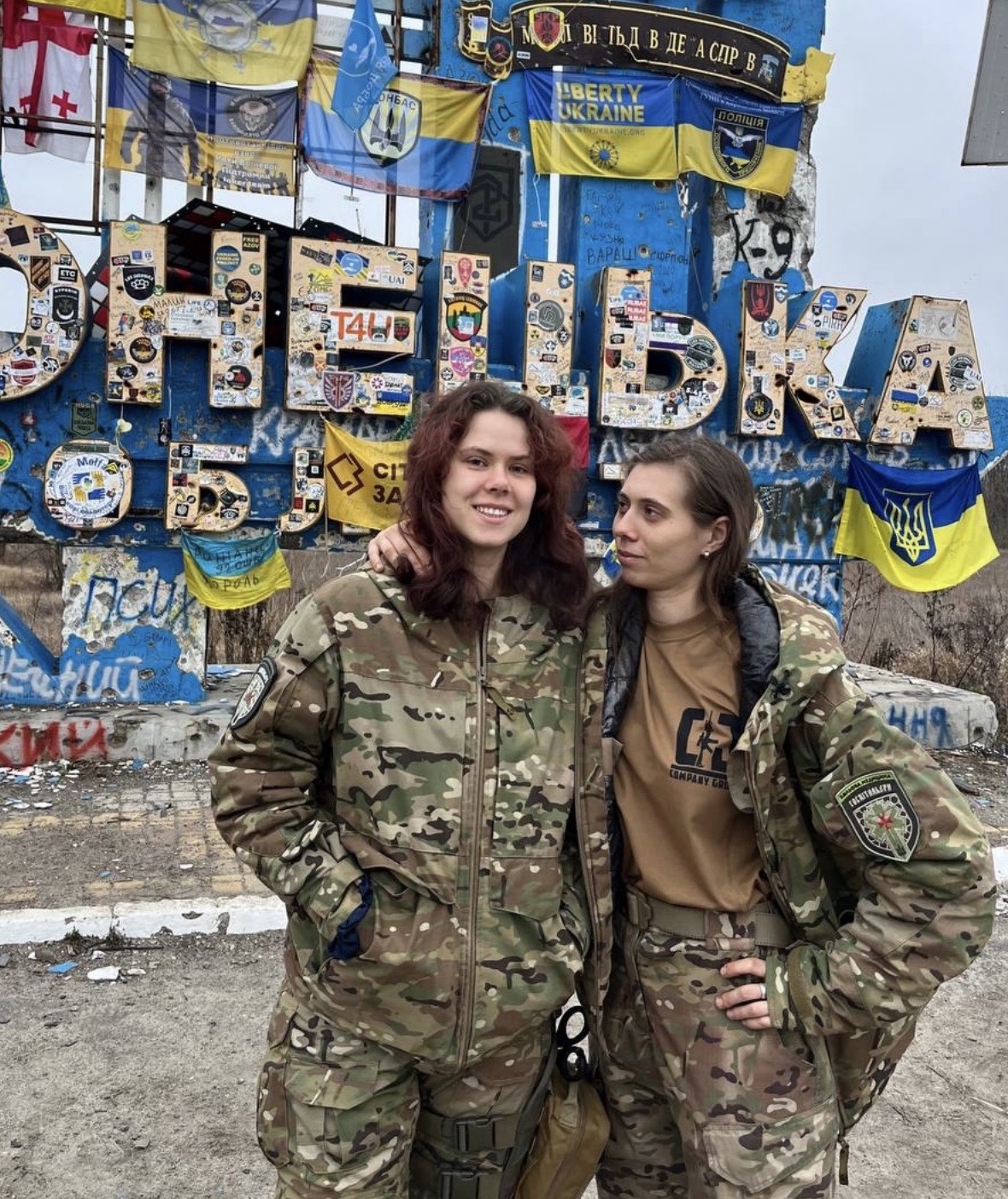
Maria has served on the front lines since 2022, during the conversation with the Prolonged Field Care Podcast host Dennis Jarema she shed light on the realities of frontline medicine in Ukraine, offering a rare firsthand look at the dangers, split-second decisions, and survival strategies that shape medical evacuation in war.
Drawing on her experience, Maria describes evacuation as one of the most difficult and decisive parts of frontline care. The outcome, she says, often depends not only on medical skill, but on terrain, timing, available supplies, and the constant threat of drones and artillery.
One of the most striking examples she shared was the case of a wounded man named Leonid, who stepped on a mine and remained in a dangerous position for 12 hours before he could be evacuated under cover of darkness. By the time the team reached him, he had already suffered massive blood loss. The evacuation itself was further complicated by bombed-out roads, rough terrain, and extremely limited resources, including only one bottle of plasma.
Litha says that field medicine often unfolds in conditions where standard protocols collide with harsh reality. Monitors may be unreliable in unstable vehicles. Medical teams must work while moving over destroyed roads. And medics themselves are exposed to the same threats as the wounded they are trying to save.
Among the biggest challenges, she highlights the growing danger posed by drones and artillery, which turn evacuation vehicles and medical teams into targets. In such conditions, medics must constantly assess not only the patient’s status, but the tactical environment around them.
According to Litha, successful evacuation depends on three things above all: preparation, coordination, and adaptability. Understanding the battlefield, planning routes in advance, working as a tightly coordinated team, and using technology such as drone-detection tools can all improve the chances of survival.
Her message is clear: no two evacuations are the same, and combat medics must be ready to adapt instantly. In war, she says, medical care is never only about treatment. It is also about movement, judgment, and survival under fire. Medics should work closely with team members to ensure that all aspects of patient care are addressed effectively, and also stay updated on new techniques and technologies to improve their response in the field.
Litha’s account underscores a broader reality of the war in Ukraine: frontline medicine is evolving alongside the battlefield itself. For field medics, saving a life often means overcoming not just injury, but time, terrain, and the constant threat of attack.