УКР
УКР Natalia and Daria Nesterovy, now living in the United Kingdom. Their family has been supporting Leleka Foundation since 2014—first in Kyiv during the early years of the war, and now through grassroots fundraising in Britain. Their connection began when the husband of Natalia’s sister, a medic, needed lightweight body armor after going to war as a volunteer. That search led them to Iryna Guk and, eventually, to Leleka.
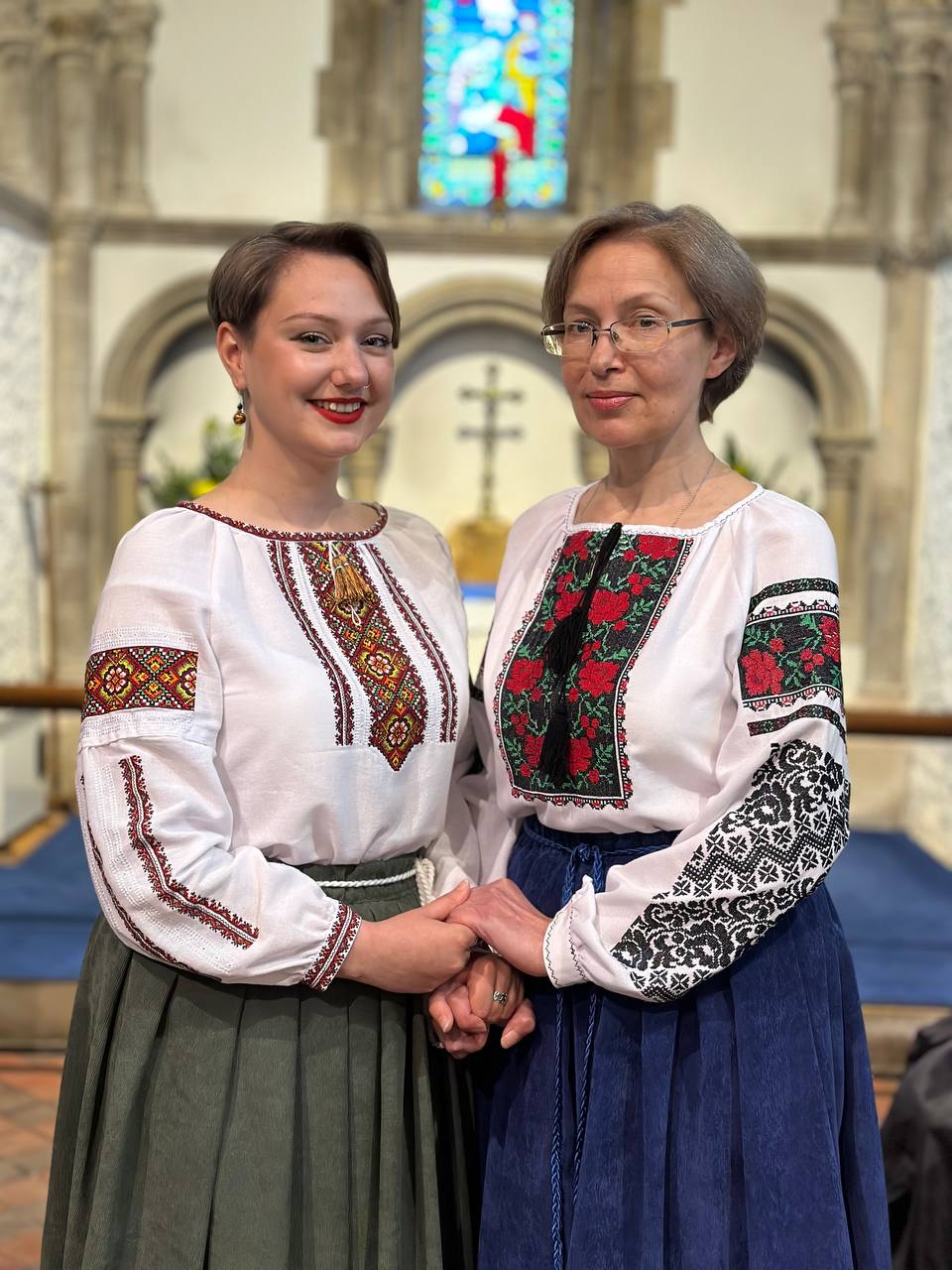
From then on, the family tried to contribute every month—while their own relatives were serving in the war. The cause became even more personal after Natalia`s sister husband returned to fight in 2022 and was killed near Bakhmut on January 17, 2023.
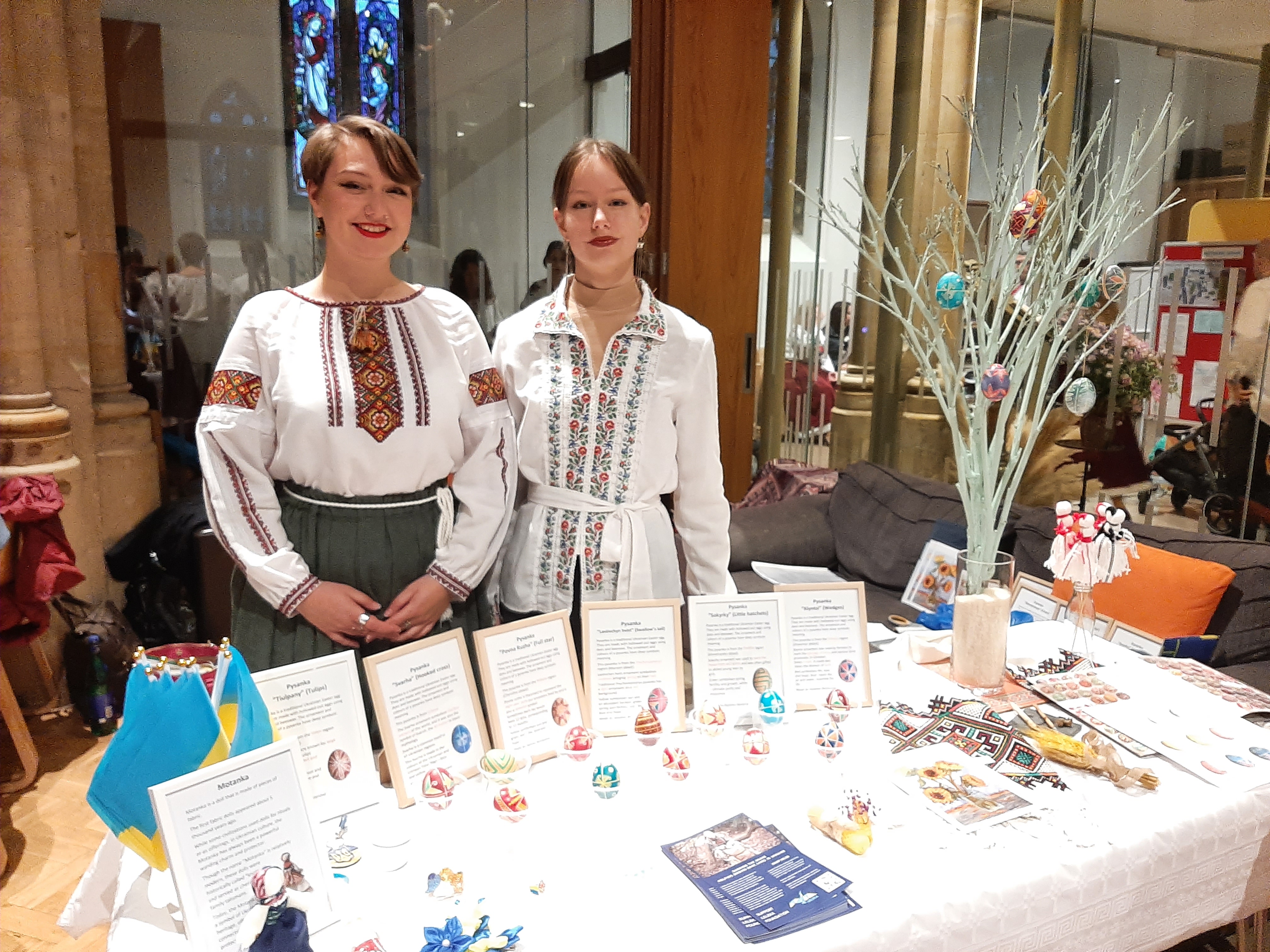
Now based in the UK as refugees, they continue helping Leleka in new ways: through Ukrainian community events, choir performances, Easter egg painting, handmade crafts, and small local fundraisers.
The effort has also moved into the workplace. In a British company where Daria works, she helped explain why Leleka’s mission matters and organized an internal fundraising option around the anniversary of the full-scale invasion. Every time with the Christmas giving season approaching, Daria talks to encourage colleagues to support Leleka, showing how even small individual donations—£5, £10, or £100—can add up when people are mobilized.
For the family, the reason for supporting Leleka remains simple: trust. They say they know that every donation sent to Leleka turns into medical supplies and reaches the front line through the shortest possible supply chain. And they know from personal experience that one well-stocked backpack can save many lives.

Q: How long have you been supporting Leleka?
A: Since 2014. We met Iryna Guk when my sister’s husband, who was a medic, went to fight as a volunteer and needed lightweight body armor.
Q: When did your support become more regular?
A: During the defense of Donetsk Airport, in January 2015. I remember Iryna posting on Facebook that they had run out of even Soviet rubber tourniquets. That was a turning point for us. From then on, we tried to donate regularly every month.
Q: Why is tactical medicine such a personal cause for your family?
A: Because our family has lived through this war directly. My husband fought as a volunteer. My sister’s husband, who was a frontline medic, also fought. He was demobilized in 2017, returned to war in 2022, and was killed near Bakhmut on January 17, 2023. So for us, supporting field medicine is deeply personal.
Q: You now live in the UK as refugees. How has that changed the way you help?
A: Of course the scale is very different. The conditions here are not the same as they were in Ukraine. But we still try to do what is possible. We take part in community events, raise awareness about Leleka, and collect donations however we can.
Q: What makes fundraising for frontline medicine difficult in Britain?
A: There are legal and cultural restrictions. Registered British charities can support humanitarian causes, but tactical medicine is often treated as war-related. So they usually cannot send money for that purpose. That is why we look for ways for people to donate directly, or work with hosts like churches that are not registered charities and therefore can transfer funds to Leleka.
Q: What kinds of fundraising do you organize?
A: We use every opportunity we can. At events, if organizers allow it, we sell pysanky, souvenirs, and handmade items. My younger daughter also makes crafts. We speak about Leleka, explain why tactical medicine matters, and collect donations. It’s all very grassroots.
Q: Your daughter Daria has also been fundraising at work. How did that happen?
A: In British companies, it’s common around Christmas for staff to collect money for charity. At Daria’s workplace, there had been fundraising for children through another charity. She explained Leleka’s work, spoke with management, and helped organize a workplace campaign so colleagues could donate. With the next giving season coming, she talks about making Leleka one of the supported causes.
Q: What do people usually donate?
A: There’s no fixed amount. Some people give £5, others £100. The point is not the number—it’s mobilizing people. Small donations matter too. When many people give a little, it becomes something real.
Q: Why do you keep choosing Leleka?
A: Because we trust Leleka completely. There are many fundraisers, but we are certain that every penny donated to Leleka becomes tactical medicine and reaches the front line through the shortest possible supply chain. We know that from personal experience. We’ve seen the work up close. We know one packed backpack can save many lives.
Q: What would you like people abroad to understand?
A: That this need has not disappeared. It may seem that, after all these years, volunteers should no longer be needed—but they still are. If a wounded soldier gets help in time, a life can be saved. That is why this work still matters.